
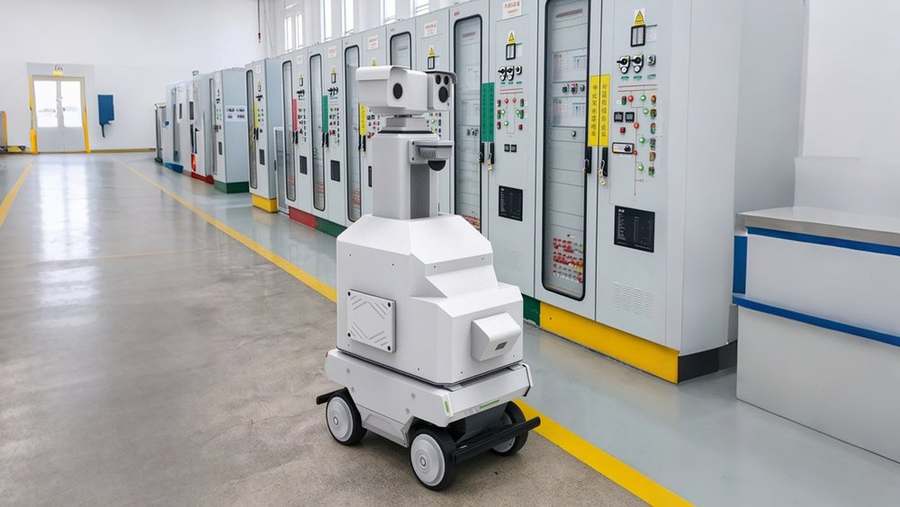
 Product Image
ZNZK-RW100mini Wheeled Inspection Robot
A compact four-wheel inspection robot for outdoor substations, power plants and chemical sites, with laser SLAM navigation, 15° climbing, a 360° gimbal, 25× visible-light zoom, thermal imaging, gas sensing and 4 h runtime.
The ZNZK-RW100mini is a small, lightweight wheeled inspection robot for outdoor plant and substation routes. It moves autonomously, avoids obstacles, returns to its charging dock and runs continuous inspection cycles without an operator walking the site. The source describes it as an automated inspection solution for equipment condition, not a remote-controlled camera on wheels.
The robot carries a high-performance infrared and visible-light video server plus a wireless communication system. That lets it observe the surrounding area, monitor equipment operation, check for thermal faults, read meters automatically and detect abnormal noise. The source says the aim is to reduce labour intensity and substation O&M cost while raising the automation level of inspection work.
Navigation and drivetrain
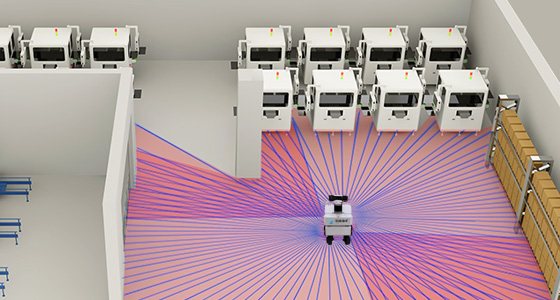
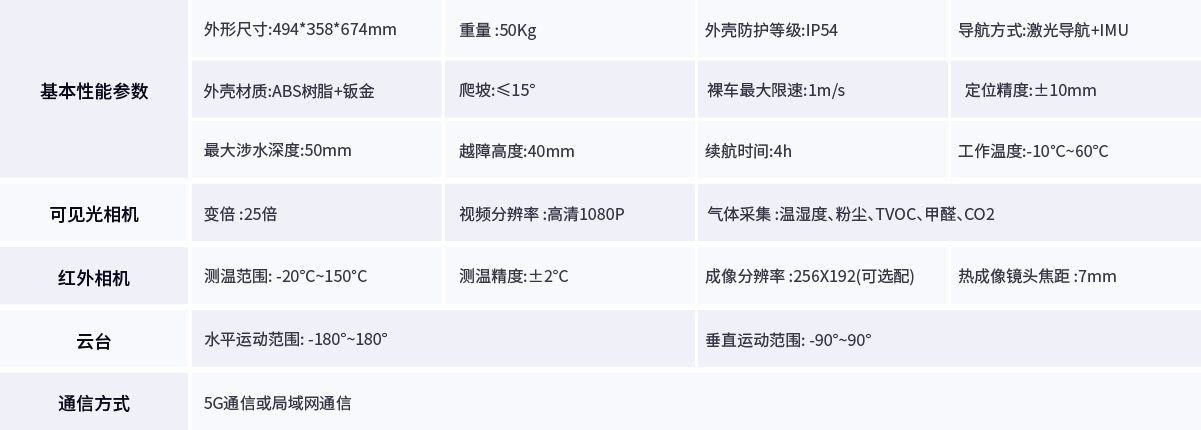
Navigation uses laser SLAM: the robot combines internal sensors such as encoders and an IMU with an external laser sensor to locate itself and build an incremental map of the site. The specification table gives a positioning accuracy of ±10 mm and a maximum speed of 1 m/s. That is a walking-pace inspection platform, not a fast patrol vehicle.
The robot uses four-wheel drive and is rated for a 15° slope on concrete or asphalt. The feature section heading calls the drivetrain "four-wheel, eight-drive", while the descriptive text and specification table refer to four-wheel drive; the exact motor count should be confirmed with the supplier. Ground clearance is limited, with a 40 mm obstacle height and 50 mm maximum wading depth.
Camera and gimbal
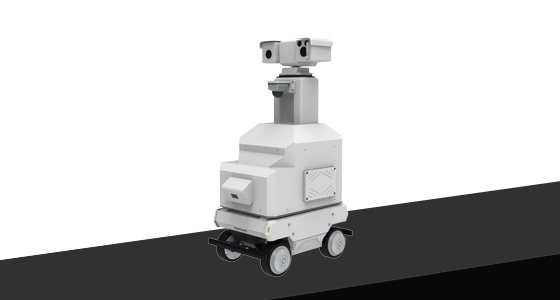
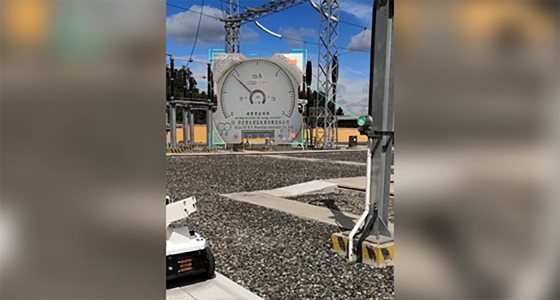
The visible-light camera has a 25× zoom and 1080p video. The thermal camera covers -20 to 150°C with ±2°C accuracy, a 7 mm lens and a 256 × 192 resolution as an option. The two channels are used together: the visible image identifies the meter or switch, and the thermal image shows the temperature behind it.
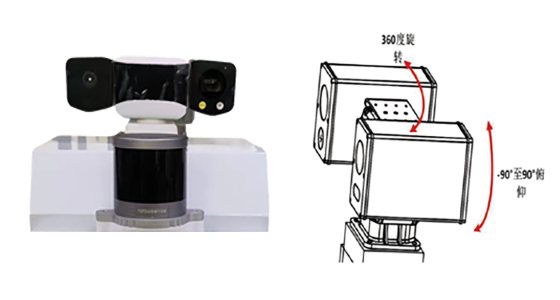
The dual-bay gimbal rotates 360° horizontally and tilts from -90° to 90°. The source specifies a worm-gear structure that locks position during movement, combined with high-precision positioning and position feedback for unlimited presets. In practice that means the robot can return to the same inspection point without re-aiming by hand.
Sensors and fixed-mobile coordination
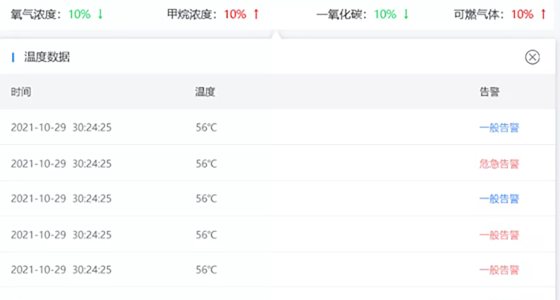
The robot can carry smoke, temperature and humidity, hydrogen-leak and ammonia sensors, with the ammonia module optional. The source also lists CO, H2S and CH4 detection and custom alarm thresholds. The specification table gives a different gas set: temperature and humidity, dust, TVOC, formaldehyde and CO2. The final sensor list should therefore be fixed during configuration rather than assumed from the headline.
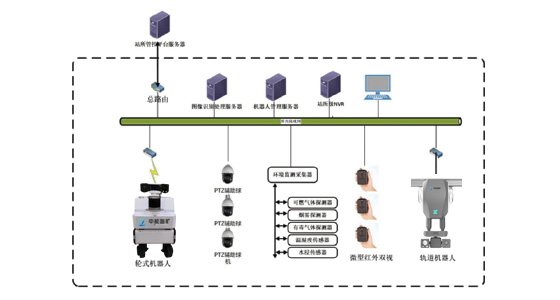
Fixed inspection and mobile inspection can be combined with access control. Fixed cameras and sensor modules are linked to the robot, and an abnormal event locks the location for review. For areas the robot cannot enter, additional fixed sensors and cameras can form a composite inspection system. The source claims up to 100% inspection coverage with 24-hour monitoring of key areas.
Body, environment and runtime
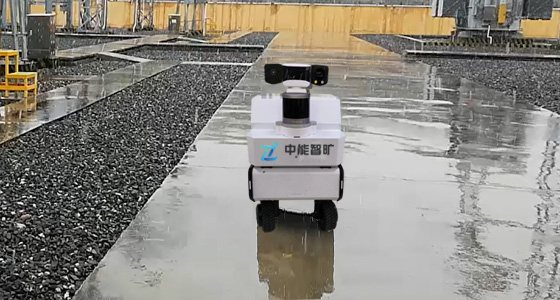
The body measures 494 × 358 × 674 mm and weighs 50 kg. The shell is ABS resin plus sheet metal, rated IP54 for dust and water splashes. The operating range is -10 to 60°C. The source presents it for outdoor plants and substations, with rain and damp conditions handled by the enclosure rather than by a sealed stainless-steel body.
The specification table gives 4 hours of runtime. The page headline also carries an 8-hour figure next to automatic return-to-charge; the two figures should be confirmed with the supplier because they may refer to different parts of the duty cycle. Communication is 5G or local-area network, and the robot supports scheduled fixed-point inspection, autonomous navigation and fault alarms.
Applications and procurement
The source lists substations, booster stations, railway traction substations, thermal, hydro, wind and photovoltaic power plants, and chemical plants as target sites. A pilot should test the actual route, slope, surface, door thresholds, charging position and the height of the meters the camera must read. The 15° slope and 40 mm obstacle figures are limits, not routine conditions.
The source describes ZNZK as a national high-tech enterprise focused on industrial inspection robots and AI vision for power, energy and warehousing customers. Enterprise procurement can include framework agreements, tiered rebates of 3–8% for multiple units, monthly or quarterly settlement for qualified buyers, a 13% VAT invoice, a dedicated account manager, custom development, SDK integration and a 7×24 service line. The source also lists more than 30 service locations with a 48-hour on-site response target.
The standard package includes the inspection robot main unit, charging dock, remote controller, documentation, cloud management platform account, deployment and commissioning, technical support and a one-year whole-machine warranty.